

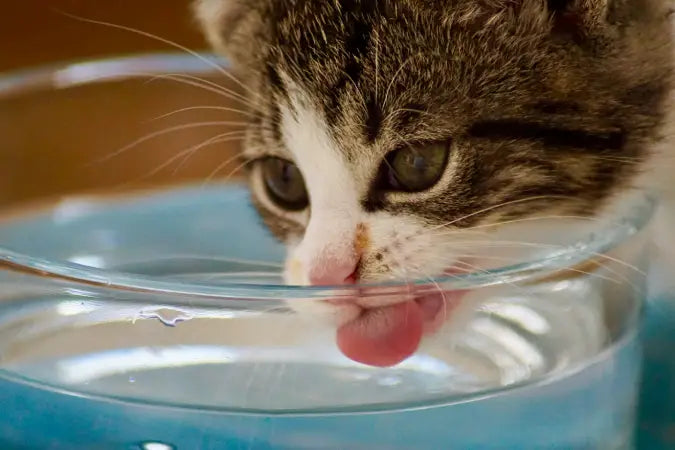
Cats generally need around 50 mL of water per kilogram of body weight daily, including water from both food and drinks. A 4 kg cat therefore needs approximately 200 mL in total per day. Wet food provides much of this moisture, reducing the amount they need to drink separately. Individual needs vary, and fresh drinking water should always be available.
Does your cat’s water bowl look almost untouched at the end of the day? It is natural to wonder whether they are getting enough water. So, how much water does a cat drink a day? As a general guide, cats need around 50 mL of water per kilogram of body weight each day—approximately 200 mL for a 4 kg cat.
However, this includes moisture from food, not just water drunk from a bowl. A cat eating mostly wet food may drink noticeably less than one eating dry food. Understanding your cat’s needs starts with their body weight, diet and usual drinking habits. This guide explains how to estimate their daily intake, recognise changes and support healthy hydration.
How Much Water Should a Cat Drink a Day?
How much water should a cat drink a day? Body weight provides a useful starting point, but food moisture also matters. The estimates below refer to total daily water intake, rather than the amount your cat needs to drink from a bowl.
Daily Water Needs by Body Weight
A general guideline is approximately 50 mL of water per kilogram of body weight per day. Use this simple formula to estimate your cat’s needs:
Estimated daily water intake (mL) = Body weight (kg) × 50
| Cat Weight | Estimated Total Daily Water Intake |
|---|---|
| 2 kg (4.4 lb) | 100 mL |
| 3 kg (6.6 lb) | 150 mL |
| 4 kg (8.8 lb) | 200 mL |
| 5 kg (11 lb) | 250 mL |
| 6 kg (13.2 lb) | 300 mL |
| 7 kg (15.4 lb) | 350 mL |
| 8 kg (17.6 lb) | 400 mL |
These figures are general estimates, not fixed targets for every cat. Individual requirements vary with life stage, health, activity and environment. Ask your vet for guidance if your cat has specific needs.
Total Water Intake vs. Water Drunk From a Bowl
Your cat gets water both by drinking and through the food they eat. Wet food can therefore provide a substantial share of their daily requirement, while dry food contributes much less.
To estimate the water supplied by food, multiply the amount eaten in grams by the moisture percentage shown on the label:
Water from food (mL) ≈ Food eaten (g) × Moisture percentage ÷ 100
For example, if a 4 kg cat eats 200 g of wet food containing 80% moisture, the food supplies approximately:
200 × 80 ÷ 100 = 160 mL of water
Against an estimated daily total of 200 mL, this leaves around 40 mL to come from drinking or other dietary sources. This is an illustration, not a prescribed food portion or a limit on drinking water. Always provide fresh water freely.
An almost untouched water bowl does not necessarily mean your cat is getting too little water, particularly if they eat mainly wet food. Equally, water disappearing from a bowl may reflect spills, evaporation or another pet drinking from it.
To judge whether your cat is getting enough water, consider body weight, food moisture and usual drinking habits together, rather than relying on the water bowl alone.
What Affects How Much Water a Cat Drinks?
Your cat’s water needs depend on more than body weight. Diet, age, activity and health all influence hydration in cats—and how much of their daily water intake comes from drinking.

Wet Food vs. Dry Food
Wet food typically contains 70–80% moisture, compared with around 10% or less in dry food. The exact amount varies, so check the moisture content on the packaging.
Cats eating mostly dry food usually need to drink more water to make up for the lower moisture content of their meals. Cats on a wet-food diet may drink noticeably less because they already get much of their water through food.
Fewer visits to the water bowl do not necessarily indicate dehydration. Similarly, dry food should not be described as a direct cause of kidney disease; overall diet, water intake and individual health all matter.
Age, Activity, and Environment
A cat’s life stage and surroundings can also affect their hydration needs:
- Kittens: Water intake changes as kittens move from milk to solid food. Their growing bodies and weaning stage need to be considered rather than applying a fixed adult target.
- Adult cats: Body weight and diet offer a starting point, with activity levels and daily conditions influencing individual requirements.
- Senior cats: Health conditions may alter thirst and water loss, while reduced mobility can make drinking bowls harder to reach. Place water within easy access of their usual resting areas.
Warm weather and increased activity can also raise water requirements. Provide fresh water for cats throughout the day, with accessible drinking points in comfortable locations.
Health Conditions and Medications
Certain health conditions can change drinking and urination patterns. Kidney disease, diabetes and hyperthyroidism may increase thirst or fluid loss, while vomiting and diarrhoea can also contribute to dehydration.
Medication can play a role too. Diuretics, for example, increase urine production and may affect water needs. Cats with existing conditions or prescribed medication may therefore need individual guidance from their vet.
For everyday cat hydration, consider these factors together and become familiar with your cat’s usual habits. Changes from their normal pattern can be more informative than comparing their drinking with another cat’s.
Do Cats Need Water Even If They Eat Wet Food?
Yes—cats need water regardless of what they eat. Water supports digestion, circulation, temperature regulation and the removal of waste through the kidneys. Wet food supplies some of that water, but fresh drinking water should always be available.
“My cat doesn't drink water but eats wet food—is that normal?” It can be. Wet food may provide a substantial share of your cat’s daily water needs, so they may drink less frequently or take only small amounts when you are not watching. This makes direct comparisons with cats eating dry food unhelpful.
However, rarely seeing your cat drink does not confirm that they are adequately hydrated. Consider how much food they actually eat, their energy levels and any changes in drinking or litter box habits. A cat eating less wet food is also taking in less water from meals.
Keep clean, fresh water accessible every day, even if the bowl appears untouched. If reduced drinking accompanies poor appetite, unusual tiredness or other changes, contact your vet.
How to Monitor Your Cat’s Water Intake
Monitoring your cat’s water intake can help you understand their usual habits and spot changes. A simple daily record is useful, provided you account for food moisture and recognise that water disappearing from a bowl is not always water your cat has drunk.
Measure Water and Account for Food Moisture
Use a measuring jug to record how much water you put into each bowl, then measure what remains after 24 hours. Include any top-ups during that period:
Water missing (mL) = Starting amount + Top-ups − Remaining amount
Refresh and clean bowls as usual, recording any water you discard. For a fountain, remember that water remains inside the reservoir and pump, so the visible water level alone may be misleading.
Next, estimate the water supplied by food using the amount your cat actually eats, rather than the portion served:
Water from food (mL) ≈ Food eaten (g) × Moisture percentage ÷ 100
Treat your results as estimates. Spills and evaporation can make drinking appear higher than it is, while unmeasured sources—such as another bowl or a dripping tap—can make it appear lower.
In multi-cat households, shared bowls show combined water use, not each cat’s intake. Watching each cat drinking water may help you identify habits, but it will not reliably tell you how many millilitres each one consumes.
How Often Should a Cat Drink Water?
There is no single number of daily drinking sessions that every cat should meet. Some cats take frequent small drinks, while others drink less visibly, particularly when their meals provide plenty of moisture.

Focus on overall intake and your cat’s usual pattern rather than counting visits to the bowl. Record observations over several typical days, noting their diet, appetite and litter box habits alongside drinking.
A sustained change from that baseline is more useful than a comparison with another cat. If your cat starts drinking noticeably more or less, especially alongside other changes in their wellbeing, contact your vet.
How to Tell If Your Cat Is Dehydrated
Knowing how to tell if a cat is dehydrated starts with noticing changes in their condition and behaviour. Home observations can flag a concern, but they cannot reliably confirm or rule out dehydration.
Signs of Dehydration in Cats
Common signs of dehydration in cats include:
- Dry or sticky gums: The gums may feel tacky rather than moist.
- Unusual tiredness: Your cat may seem less alert or less interested in normal activities.
- Weakness: They may appear less steady or struggle with their usual movements.
- Reduced appetite: They may eat less or show little interest in food.
- Sunken-looking eyes: This can occur with more severe dehydration.
These cat dehydration symptoms can also occur with other health problems. A dehydrated cat may not show every sign, and no single symptom establishes a diagnosis. Contact your vet promptly if you suspect dehydration.
The Skin Tent Test and Its Limitations
The skin tent test involves gently lifting a small fold of skin over your cat’s shoulders, then releasing it. In a normally hydrated cat, the skin usually returns to its original position almost immediately. A slower return, or skin that remains raised in a “tent”, may suggest dehydration.
However, skin elasticity is not a reliable measure on its own. Older cats may have less elastic skin even when adequately hydrated, and a normal-looking result does not rule out dehydration.
Use this observation alongside changes in appetite, energy and gum moisture—not as a substitute for a veterinary examination. If your cat seems unwell, do not delay seeking advice because their skin appears to spring back normally.
How to Help Your Cat Get More Water
Supporting daily cat hydration often starts with small changes to drinking places and meals. If you are wondering, “How do I get my cat to drink water?”, try a few options and observe which ones suit their habits.
Offer Fresh Water in Several Accessible Places
Provide fresh water in quiet, easy-to-reach locations, including spots away from the feeding area. Wash bowls daily and replace the water whenever it becomes dirty.
In multi-cat households, spread drinking points across different rooms so one cat cannot block another’s access. Older cats or those with limited mobility may benefit from bowls near their favourite resting places, without needing to climb stairs.
Try Different Bowls or a Water Fountain
Try bowls of different sizes, shapes and materials to discover your cat’s preferences. Place them on a stable surface where your cat feels comfortable drinking.
A fountain is another option, but it does not guarantee that your cat will drink more. Some cats enjoy moving water, while others prefer a still bowl. Introduce a fountain alongside a familiar bowl, and clean it according to the manufacturer’s instructions.
Increase Moisture Through Food
Feeding a suitable, complete wet food or adding a little water to food your cat already enjoys can increase moisture intake. Introduce changes gradually and make sure your cat continues eating their usual amount.
Moistening dry kibble and rehydrating freeze-dried food are different processes. Kibble may be softened with water if appropriate for the product, while freeze-dried foods can have specific preparation requirements. If you are unsure how much water to rehydrate dried cat food with, follow the packaging instructions—there is no universal ratio.
Prepare moistened food close to serving time and follow the manufacturer’s storage and disposal guidance.
Prepare Moisture-Rich Meals with Neakasa Riko
For households feeding compatible freeze-dried food, the Neakasa Riko Fresh-Made Wet Meal Feeder offers a convenient way to include water in scheduled meals. It stores food dry, then grinds and mixes it with room-temperature water to prepare each serving.
Riko is designed for compatible freeze-dried food, not canned or pouch wet food. Choose a complete and balanced recipe, check the feeder’s compatibility requirements, and set the water-to-food ratio according to the food’s preparation guidance.
By automating meal preparation, Riko can make moisture-rich feeding easier to maintain as part of your daily routine. It does not replace access to fresh drinking water or regular checks on your cat’s food and water intake.
These steps support everyday hydration in healthy cats. If you suspect your cat is dehydrated, seek veterinary advice rather than relying on feeding or drinking changes alone.

- Prepares fresh-made wet meals by grinding and rehydrating compatible freeze-dried food at mealtime.
- Customizes meal texture with an adjustable 1:1–1:5 water-to-food ratio.
- Supports precise 1–20 g portions and 20+ scheduled feedings per day through the app.
- Reduces frequent refilling with a sealed 3 L food container and 2.4 L water tank.
When to See a Vet About Your Cat’s Water Intake
Changes in drinking habits can reflect more than a preference for a different bowl or food. Suspected dehydration or a sudden, persistent increase in thirst deserves veterinary attention, particularly when your cat also seems unwell.
What to Do If You Suspect Dehydration
If you think your cat is dehydrated, contact your vet promptly rather than waiting for home hydration measures to work. Describe any changes in drinking, eating, urination and energy, along with vomiting or diarrhoea and any medication your cat takes.
Your vet will assess the degree of dehydration and investigate its cause. Cat dehydration treatment may involve professional fluid therapy, including fluids given under the skin or into a vein, depending on your cat’s condition. Treating the underlying problem is also essential.
Keep fresh water accessible while you seek advice, but do not attempt injections or homemade electrolyte treatments. A cat that is severely weak, collapses or has difficulty breathing needs immediate veterinary attention.
What If Your Cat Suddenly Drinks More Water?
Increased thirst is different from overhydration. Drinking more than usual may be a response to increased water loss or an underlying health condition; it does not necessarily mean the body contains too much water.
Arrange a veterinary assessment if the increase is sudden, marked or persistent, especially alongside:
- More frequent urination or larger urine clumps.
- Unexplained weight loss.
- Changes in appetite.
- Unusual tiredness or reduced activity.
Conditions such as kidney disease, diabetes and hyperthyroidism can affect thirst and urination. Your vet can determine whether these or other factors are involved.
Do not restrict drinking water to reduce urination. Instead, note when the change began and any recent changes in diet or medication, and share these details with your vet.
Frequently Asked Questions About Cat Hydration
What Can Cats Drink Besides Water?
Fresh water should remain your cat’s main drink. As an occasional addition, a little plain, unseasoned meat broth without onion, garlic or added salt may make water more appealing. It should not replace water or complete meals. If your cat follows a prescribed diet, check with your vet before adding broth or other flavourings.
Can Cats Drink Salt Water or Seawater?
Do not offer salt water or seawater as drinking water. Excessive salt intake can cause poisoning, with symptoms including vomiting, diarrhoea, poor coordination and seizures. Provide fresh water instead. If your cat has drunk seawater, contact your vet for advice, particularly if the amount is unknown or your cat shows symptoms.
When Should a Kitten Start Drinking Water?
Introduce fresh water as kittens begin weaning, usually at around three to four weeks old. Offer a shallow, stable bowl and let them explore at their own pace; never push their face into it. At this stage, water complements their feeding routine and must not prematurely replace their mother’s milk or an appropriate kitten milk replacer.
Do Cats Need Electrolytes or Hydration Supplements?
Healthy cats eating a complete, balanced diet generally do not need extra electrolytes. A water supplement for cats may be useful in specific circumstances, but ask your vet whether it suits your pet. Do not use human sports drinks or homemade electrolyte mixtures to treat dehydration; an unwell cat may need veterinary fluid therapy.
Summary: Supporting Your Cat’s Daily Hydration
Your cat’s daily water needs depend on their body weight, diet and individual health. Consider moisture from food alongside drinking water, rather than judging hydration by the bowl alone. Keep fresh water accessible and watch for changes in appetite, energy, drinking and urination. For cats eating compatible freeze-dried food, the Neakasa Riko Fresh-Made Wet Meal Feeder can help make meals prepared with added water part of a consistent routine. It does not replace fresh drinking water or veterinary care. Contact your vet promptly if you suspect dehydration or notice persistent, unusual thirst.

Leave a comment
All comments are moderated before being published.
This site is protected by hCaptcha and the hCaptcha Privacy Policy and Terms of Service apply.