












Kidney problems can develop quietly in cats. By the time you notice a change, your cat may already need veterinary care. Learning how to prevent kidney problems in cats starts with a few practical habits: offer fresh water, provide balanced food, keep harmful substances out of reach and arrange regular health checks.
These steps matter, but they have limits. Some causes of sudden kidney injury can be avoided. Chronic kidney disease (CKD), especially in older cats, cannot always be prevented. The aim is to reduce avoidable risks, recognise changes early and get the right help when it matters.
Quick Answer: Can You Prevent Kidney Problems in Cats?
You cannot prevent every type of kidney disease in cats. You can, however, help protect your cat by keeping fresh water available, choosing complete and balanced food, avoiding toxins and arranging routine vet checks. Watch for changes in thirst, urination, weight and appetite. These habits support cat kidney health and may help identify problems sooner. They do not guarantee that your cat will never develop kidney disease.
What Are Kidney Problems in Cats?
Your cat's kidneys filter waste from the blood and help balance water and minerals. They also help regulate blood pressure and support red blood cell production. When the kidneys are damaged, these tasks may become harder.
Acute Kidney Injury vs Chronic Kidney Disease
Acute kidney injury (AKI) develops suddenly, sometimes over hours or days. It can happen after poisoning, a serious infection, a urinary blockage or another severe illness. Some cats can recover with prompt treatment, but the condition can be life-threatening.
Chronic kidney disease (CKD) means the kidneys have lasting changes that reduce their function over time. It is often found in older cats and may progress slowly. In many cases, the exact cause is unknown. Early CKD may cause few visible symptoms, which is why routine screening matters.
Which Cats May Be at Greater Risk?
Age is an important risk factor for CKD. Certain inherited conditions, such as polycystic kidney disease, can also affect the kidneys. Other illnesses, including high blood pressure and some urinary problems, may add to the risk or make existing disease harder to manage.
Kittens can develop kidney problems too. Their causes may include congenital abnormalities, infection or accidental toxin exposure. Knowing these risks helps you act sooner, but it does not mean every case can be prevented.
How to Prevent Kidney Problems in Cats: 6 Daily-Care Tips
1. Make Fresh Water Easy to Access
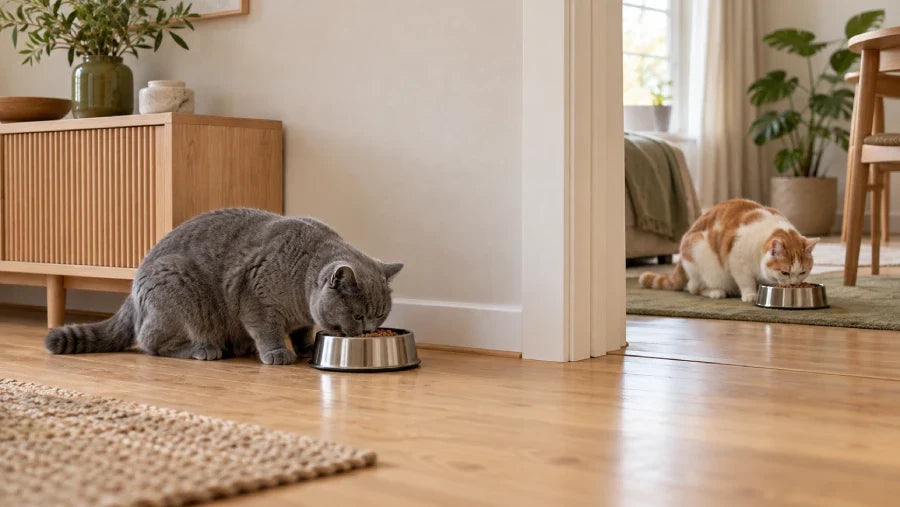
Good water access is one of the simplest ways to support your cat's daily health. Keep clean drinking water available at all times. Refresh it each day, and wash bowls regularly.
Try a few small changes if your cat is reluctant to drink:
- Place water bowls in several quiet areas of your home.
- Keep water away from litter trays and busy walkways.
- Offer a wide, clean bowl or a drinking fountain if your cat prefers one.
- Consider moisture-rich food or adding water to a suitable meal, if your cat accepts it.
Cats can get moisture from food as well as from their water bowl. However, there is no reliable way to guarantee CKD prevention simply by increasing water intake. If your cat suddenly drinks much more or less than usual, contact your vet rather than changing the routine alone.
2. Feed a Complete, Balanced Diet
Choose food that is right for your cat's life stage and health needs. In Europe, look for food labelled "complete pet food" rather than relying on treats or complementary food as the main diet. FEDIAF publishes nutritional guidance used by European pet food manufacturers.

Offer suitable portions, monitor body weight and introduce food changes gradually. Do not restrict protein or phosphorus in a healthy cat just because you are worried about future kidney disease. A cat with diagnosed CKD may need a veterinary renal diet, but that is a separate decision to make with your vet.
If you use compatible freeze-dried complete cat food, the Neakasa Riko Fresh-Made Wet Meal Feeder can grind it and mix it with room-temperature water at mealtime. It can make scheduled, moisture-rich meals easier to serve.

- Three Flexible Feeding Modes: Choose Water Only, Food Only (grinds and serves freeze-dried food), or Mix (grinds and rehydrates freeze-dried food).
- Customizes meal texture with an adjustable 1:1–1:5 water-to-food ratio.
- Supports precise 1–20 g portions and 20+ scheduled feedings per day through the app.
- Reduces frequent refilling with a sealed 3 L food container and 2.4 L water tank.
3. Protect Your Cat from Kidney-Damaging Toxins
Preventing accidental poisoning is one of the clearest ways to reduce the risk of acute kidney injury. Some everyday items are dangerous even in small amounts.

Keep these hazards away from cats:
- Lilies: Certain true lilies and daylilies can cause severe kidney injury. Pollen and water from a vase can also be dangerous. The safest option is not to keep these flowers in a cat's home.
- Antifreeze: Products containing ethylene glycol are highly toxic. Take extra care around garages, driveways and winter car maintenance.
- Human medicines: Never give a cat painkillers such as ibuprofen or paracetamol unless a vet specifically directs treatment. Store all medicines securely.
- Household chemicals: Keep cleaners and garden products in closed cupboards. Clean spills promptly.
If you suspect exposure, contact an emergency vet immediately, even if your cat seems normal. Do not wait for symptoms or try to make your cat vomit unless a vet tells you to do so.
4. Keep Up with Routine Vet Checks
A cat can appear well while kidney function is changing. Regular checks help your vet spot a problem before it becomes obvious at home. A visit may include an examination, body weight review and questions about eating, drinking and urination. Your vet may also recommend blood tests, urine tests and blood pressure measurement.
The 2026 iCatCare guidelines recommend kidney screening from around age seven. They advise routine checks about once a year for cats aged 7–10 years and preferably twice a year for cats over 10. Your vet may suggest a different schedule for a cat with other health concerns.
Screening does not prevent inherited or age-related CKD. Its value is finding changes early enough to plan the next steps.

5. Watch Water Intake, Weight and Litter Box Habits
Small changes are easier to notice when you know your cat's normal routine. Pay attention to how often you refill the water bowl, whether your cat finishes meals and whether their weight is changing.
Check the litter area too. Are there larger urine clumps than usual? Is your cat visiting more often? Are they straining or having accidents? These changes can have several causes, including conditions that are not related to the kidneys.
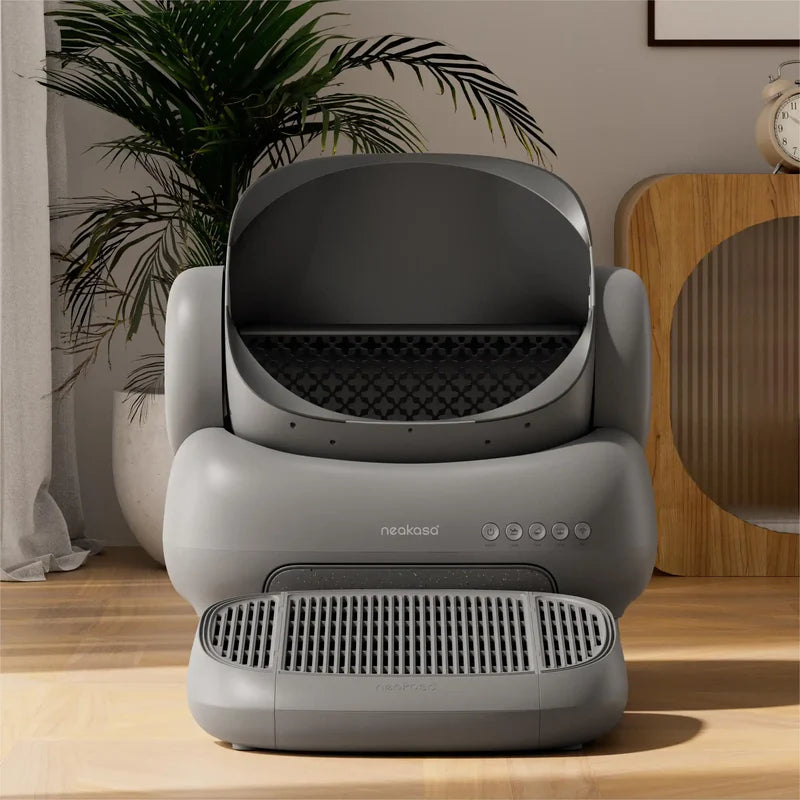
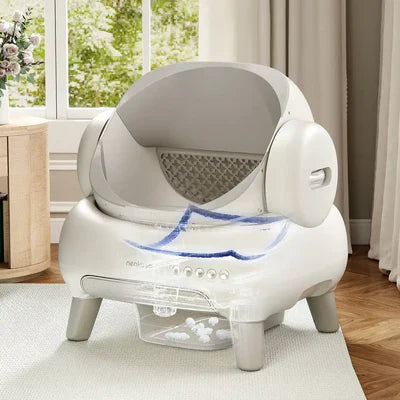
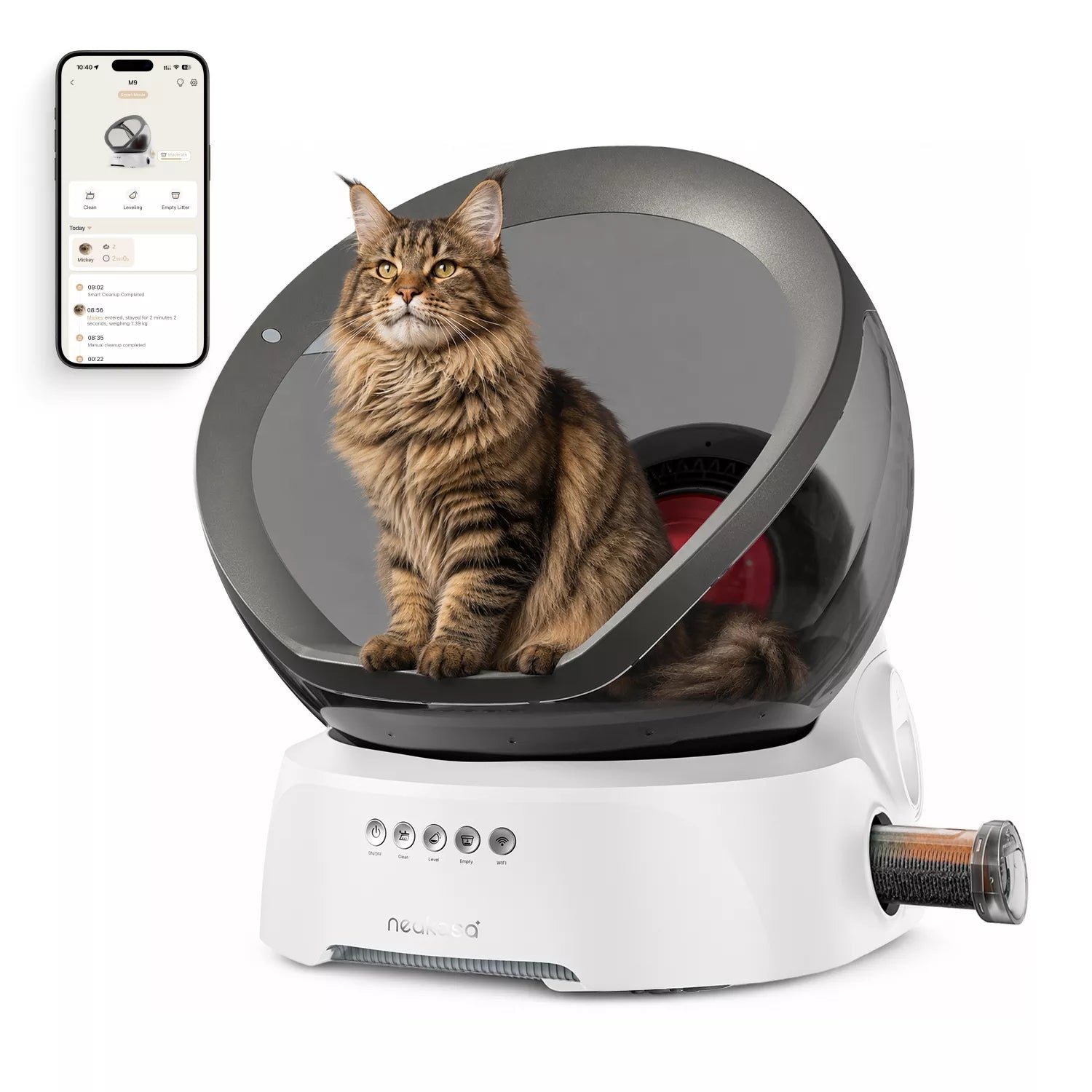
A simple weekly note on appetite, weight and toileting can help when you speak to your vet. Some automatic litter boxes, such as the Neakasa M9, also provide activity records in an app. These records may help you notice a change in routine. They cannot measure kidney function or diagnose disease.

- Tilt-Safe Rotation helps reduce enclosed pinch points through thoughtful structural design.
- A spacious open-view cabin gives cats room to move, with a 26 cm entry height for easier access.
- PureTower odour control combines activated carbon and desiccant to help manage odours and moisture.
- Automatic waste collection and app control simplify daily litter care, while detachable components make cleaning easier.
6. Address Illness and Dehydration Early
Vomiting, diarrhoea, fever and poor appetite can affect a cat's fluid balance. Kidney and urinary problems can also become serious quickly. Contact your vet if your cat is repeatedly sick, refuses food, seems dehydrated or shows a clear change in urination.
Do not give human medicine, kidney supplements or extra fluids under the skin without veterinary guidance. Treatment depends on what is causing the problem, your cat's condition and any existing illness.
Daily care is about reducing avoidable risks. Acting promptly when something changes is just as important.
Early Signs of Kidney Issues in Cats
Common Symptoms to Look Out For
The symptoms of cat kidney failure and earlier kidney disease can vary. Common signs include:
- Drinking more water than usual.
- Urinating more often or producing larger amounts of urine.
- Eating less or losing weight.
- Vomiting or appearing nauseous.
- Low energy, weakness or spending more time hiding.
- A poor coat or, in some cases, unpleasant breath.
These signs are not specific to kidney disease. Diabetes, thyroid disease and other conditions can cause similar changes. Early CKD may show almost no obvious signs at all. Tell your vet about changes even if your cat still plays and eats some meals.
When to Contact a Vet Urgently
Seek urgent veterinary care if your cat collapses, cannot pass urine, vomits repeatedly, becomes severely weak or may have swallowed something toxic. A cat that suddenly cannot stand or use its hind legs also needs emergency assessment. These signs should never be treated as a normal part of ageing.
How Vets Check Cat Kidney Health
A vet will consider your cat's history, symptoms and examination findings. Blood tests can measure waste products such as creatinine. Some vets also use SDMA, another marker that can help assess kidney function. Urine tests show how well the kidneys concentrate urine and may detect abnormal protein levels. Blood pressure checks are also important, especially in older cats.
A single result does not always tell the whole story. Your vet may repeat tests, look at previous measurements or recommend an ultrasound. Once CKD is confirmed, vets can use the International Renal Interest Society (IRIS) system to describe its stage and guide care. This assessment is based on clinical findings and test results, not on a home symptom checklist.
Treating Kidney Problems in Cats: What Happens After Diagnosis?
Care for Acute Kidney Injury
Acute kidney injury may require hospital care. The vet will look for the cause and treat it quickly. Care may include carefully managed fluids, medicines, monitoring and treatment for poisoning, infection or a urinary obstruction. The outlook depends on the cause, how much damage has occurred and how early treatment begins.
Ongoing Support for Chronic Kidney Disease
CKD usually needs long-term veterinary support rather than a one-time cure. Your vet may recommend a prescription renal diet, a hydration plan, treatment for high blood pressure or medicine for nausea and poor appetite. Follow-up checks help show whether the plan needs adjusting.
Good cat kidney disease support also means keeping meals and water accessible, tracking appetite and weight, and making the home comfortable. Do not start a renal diet, supplements or fluid treatment without advice. Ordinary pet food, feeding devices and litter boxes cannot replace prescribed care.
Simple Cat Kidney Health Checklist
Use this quick checklist to keep everyday care consistent:
- Refresh drinking water and keep bowls clean.
- Serve complete food suited to your cat's needs.
- Keep lilies, antifreeze and medicines out of reach.
- Book vet checks appropriate to your cat's age.
- Notice changes in appetite, body weight and energy.
- Check for changes in urination and litter box habits.
You do not need to measure everything every day. The goal is to know what is normal for your cat and act when something changes.
Frequently Asked Questions
Can kidney failure in cats be prevented completely?
No. If you are wondering how to prevent kidney failure in cats or how to prevent renal failure in cats, the most useful approach is to reduce risks you can control. Protect your cat from toxins, provide suitable food and water, and keep up with vet checks. Many cases of chronic kidney disease still occur despite good care, especially in older cats.
What are the first symptoms of cat kidney failure?
Early signs can include drinking and urinating more, reduced appetite, weight loss and lower energy. Some cats show no noticeable signs in the early stages. A vet can investigate with an examination and appropriate blood and urine tests. Do not wait for several symptoms to appear before seeking advice.
What are kidney failure symptoms in kittens?
Possible kidney failure in kittens symptoms include poor appetite, vomiting, weakness, dehydration, poor growth or unusual urination. These signs can also be caused by other serious illnesses. Kidney problems in kittens may be linked to inherited conditions, infection or toxins. A kitten that seems unwell needs prompt veterinary assessment, especially if it is not eating or is very weak.
Can cat kidney failure affect the back legs?
Cats with serious kidney disease may become weak, but back leg weakness does not prove kidney failure. Sudden, painful hind-leg weakness or paralysis can be caused by a blood clot blocking circulation to the legs. This is an emergency. If your cat suddenly cannot stand or walk normally, contact an emergency vet immediately instead of assuming the problem is kidney-related.
Does wet food help support cat kidney health?
Wet food contains moisture, so it can help with daily fluid intake. Suitable rehydrated meals may also contribute water. However, wet food does not guarantee that your cat will avoid CKD. If your cat already has kidney disease, ask your vet whether a therapeutic renal diet is needed. An ordinary moisture-rich diet is not a substitute for it.
How often should senior cats have kidney checks?
The 2026 iCatCare guidance recommends screening from about seven years of age. Routine health checks are generally advised once yearly for cats aged 7–10 and preferably twice yearly after age 10. Cats with symptoms or known medical conditions may need more frequent visits. Your vet can set the right schedule.
Conclusion
Supporting your cat's kidneys starts with simple habits: fresh water, suitable meals, a safe home and regular veterinary care. Watching appetite, weight and litter box habits can also help you notice changes early. You cannot control every cause of kidney disease, but you can lower avoidable risks and respond sooner when something is wrong. If your cat's behaviour or health changes, ask your vet what to do next.

Leave a comment
All comments are moderated before being published.
This site is protected by hCaptcha and the hCaptcha Privacy Policy and Terms of Service apply.